
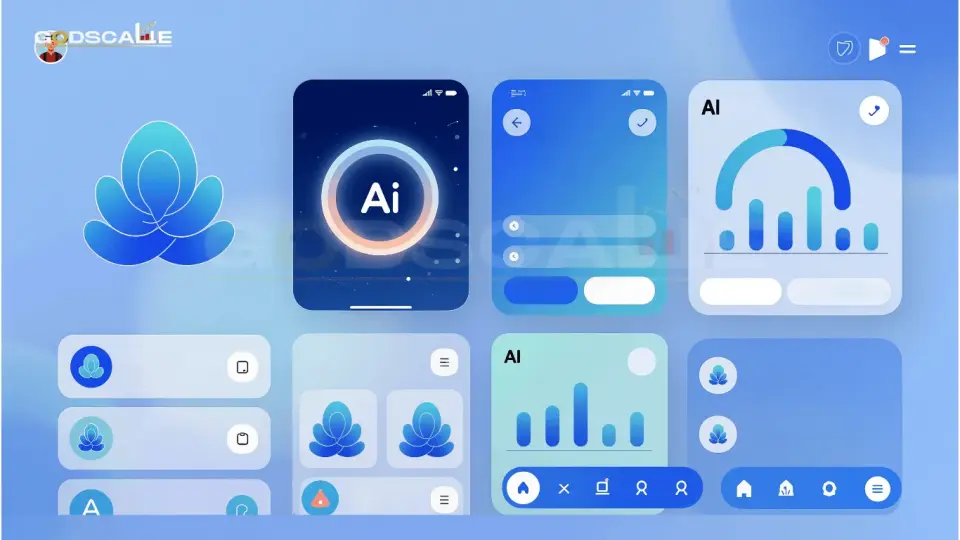
Search is changing faster than ever. Traditional SEO—optimising for Google keywords—is now only half the game. The other half is GEO: Generative Engine Optimisation, which focuses on helping your brand appear in AI-generated responses across platforms like ChatGPT Search, Google SGE, Perplexity, Gemini Browse, Bing Copilot, and Meta AI.
For businesses, founders, influencers, and brands, visibility on AI engines matters as much as Google rankings—sometimes even more. In this guide, we break down what GEO is, why it matters, and how your brand can optimise content today.
What Is Generative Engine Optimisation (GEO)?
GEO is the process of tailoring your content so that AI models pick it up, understand it, and include it in answers when users ask questions.
While SEO helps you rank on Google results, GEO helps you rank on AI chat responses, AI snippets, AI summaries, voice-based answers (Siri, Alexa, Google Assistant), and smart-device queries. Simply put: GEO equals visibility in the AI-first world.
Why GEO Now Matters More Than Ever
AI search tools summarize content and choose what they think is most accurate and authoritative. If you’re not optimised for AI models, your content won’t appear in AI answers, users won’t discover your brand organically, and competitors with strong GEO will win attention easily.
Reports show that over 60% of Gen Z and millennials prefer AI search over traditional Google browsing. This shift makes GEO non-negotiable for modern businesses.
GEO vs SEO: What's the Difference?
Understanding the distinction between these two approaches is crucial for developing a comprehensive digital strategy:
SEO (Search Engine Optimisation) optimises for search engines like Google and Bing, relies on keywords, backlinks, and on-page factors as ranking signals, outputs website link rankings, and requires users to click through to your site.
GEO (Generative Engine Optimisation) optimises for AI models and AI search platforms, relies on entity strength, clarity, and context as ranking factors, outputs direct mentions in AI-generated responses, and delivers answers directly to users without requiring clicks.
The key takeaway? SEO gets you clicks. GEO gets you mentioned. Combined, they create unstoppable visibility across all digital touchpoints.
How to Optimise Content for GEO (Beginner to Advanced)
- Increase Entity Strength
AI engines understand content through entities—recognized people, places, brands, and concepts. To strengthen your presence, mention your brand name consistently across all content, add schema markup for Organization, Person, FAQ, and Product types, use consistent NAP (Name, Address, Phone) information everywhere, and add profiles across platforms like LinkedIn, Google Business, and Crunchbase.
- Create AI-Readable, Context-Rich Content
AI engines prioritize clear definitions, step-by-step breakdowns, benefit-focused writing, examples and comparisons, and structured lists. Your content must be scannable for humans and inferable for AI. Write with clarity and purpose, organizing information in ways that both audiences can easily digest.
- Publish Authoritative Content
AI prefers content that demonstrates trust, accuracy, expertise, and depth. Add industry statistics, case studies, research references, and expert viewpoints to signal authority. The more comprehensive and credible your content, the more likely AI models will reference it.
- Optimise for Voice Search
Voice queries are longer and conversational. Instead of short keywords like “GEO strategy,” users ask complete questions like “How can I rank my business on AI search engines?” Use long-tail conversational phrases that mirror natural speech patterns to capture these queries.
- Align Content With User Intent
AI models respond based on user intention, which falls into three categories: informational (What is GEO?), commercial (Best GEO agency in India?), and transactional (Hire GEO experts). You must create content that covers all three categories to maximize your AI visibility across different user journeys.
FAQs
What is Generative Engine Optimisation in simple words?
GEO means optimising your content so AI tools like ChatGPT, Perplexity, and Google SGE can understand it and include your brand in their answers.
How is GEO different from SEO?
SEO helps your website rank on Google. GEO helps your brand appear in AI-generated responses. Both are essential for comprehensive business visibility in today’s digital landscape.
Why is GEO important for businesses in 2025?
Because over half of users now search through AI tools. If your brand is not discoverable by AI, you lose traffic, authority, and leads to competitors who have adapted to this new reality.
Can GEO improve my brand’s visibility on ChatGPT or Gemini?
Yes. Properly structured content, strong entity building, and authoritative pages make AI tools more likely to include your brand in answers when users ask relevant questions.
How can I start GEO for my business?
Begin by publishing clear, expert-driven content, add schema markup to your website, strengthen online mentions across reputable platforms, and consider working with agencies like Godscale who specialise in GEO strategy.
Conclusion: Why GEO Matters for Your Business
The world is moving from keyword search to AI-generated search. Brands that adapt early will dominate the next decade. At Godscale, we combine SEO, GEO, branding, digital storytelling, and content architecture to make your business discoverable across all search platforms—Google, AI engines, and voice search.
If you’re ready to future-proof your brand, Godscale helps you scale with clarity, creativity, and AI-backed strategy. The question isn’t whether to invest in GEO—it’s whether you can afford not to.
Ready to optimize your brand for the AI search era? Contact our team to learn how we can help you dominate both traditional and AI-powered search platforms.